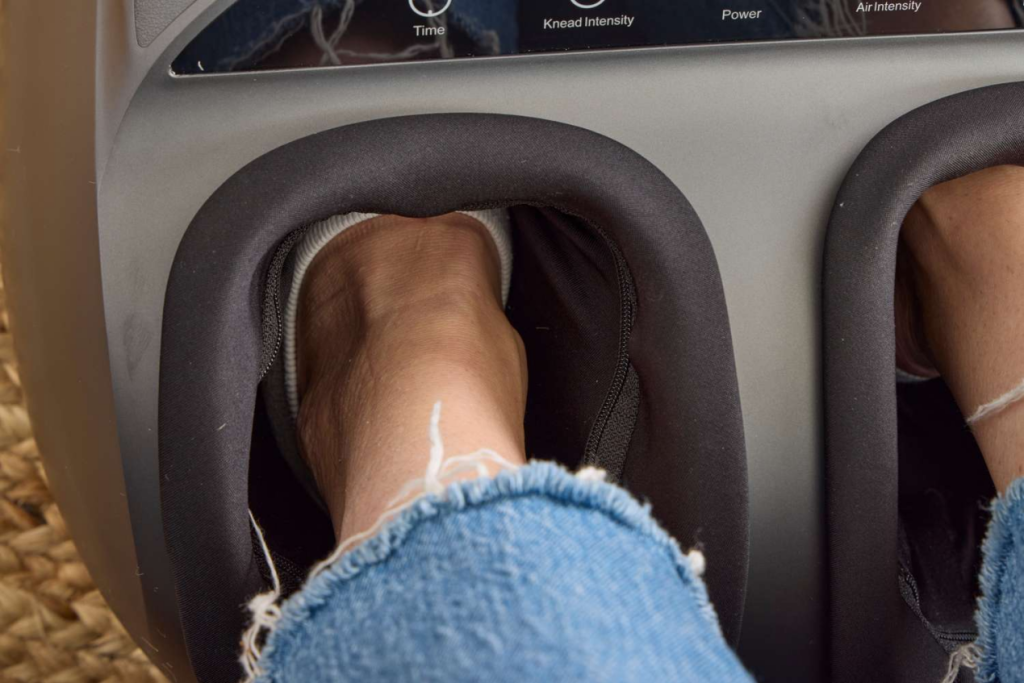
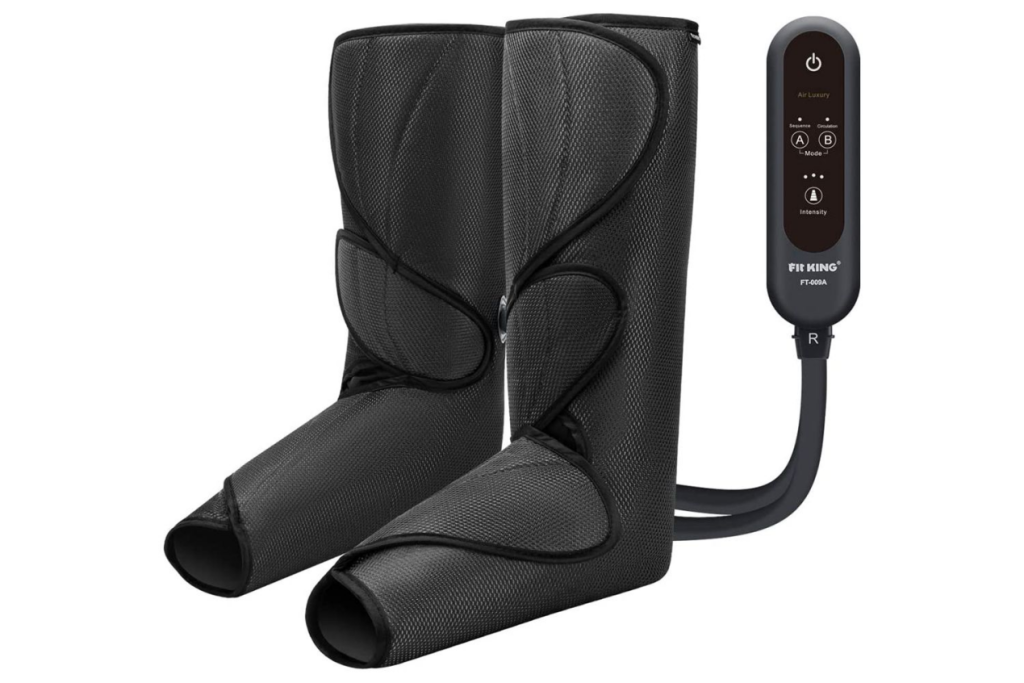
Foot massager + foot bath: a golden combination for removing dampness and warming the feet, where 1+1>2.

Like many others, I initially just casually soaked my feet or occasionally used a foot massager. Surprisingly, when you combine a foot massager with a foot soak, the effects far surpass either method alone. It’s not just about comfort; it’s a deep relaxation experience from your feet throughout your entire body.
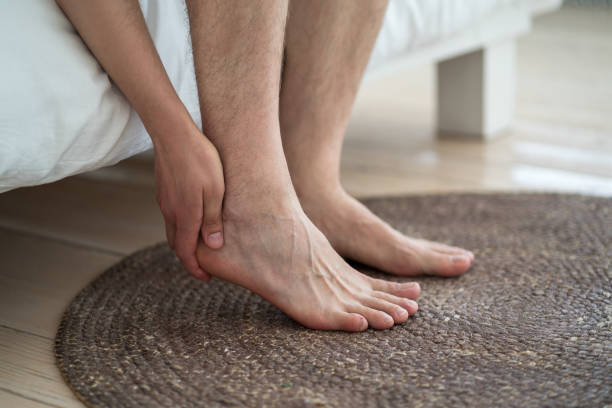
In fact, your feet silently bear pressure every day—prolonged standing, sitting, excessive exercise, and even an irregular lifestyle can all cause soreness, coldness, and even dampness in the soles of your feet. At this time, if you use the right methods, you will find that relaxing the soles of your feet not only makes your body feel relaxed but also improves your overall mental state.
This article will help you systematically master the golden combination of foot massager and foot bath, covering principles, benefits, scientific operation, suitable users, and precautions.
Why do foot baths and foot massagers produce a “1+1>2” effect?
Simply put, foot baths and foot massagers have different mechanisms of action, but they can complement each other:
- Soaking your feet: Hot water dilates blood vessels, promotes local blood circulation, and allows muscles and fascia to relax first.
- Foot massager: Through mechanical kneading, air pressure, or heat, it further stimulates blood flow and deeply releases tension.
When you soak your feet in warm water before using a foot massager, the muscles in your feet are softened and more receptive to mechanical stimulation. Think of it as first “loosening the soil,” then “cultivating it deeply”—the combination of both naturally yields better results.
Many people don’t see much effect from soaking their feet or using massagers alone, simply because they’re doing it in the wrong order. Once the order is correct, the body will immediately respond, “Ah, finally I can rest.”
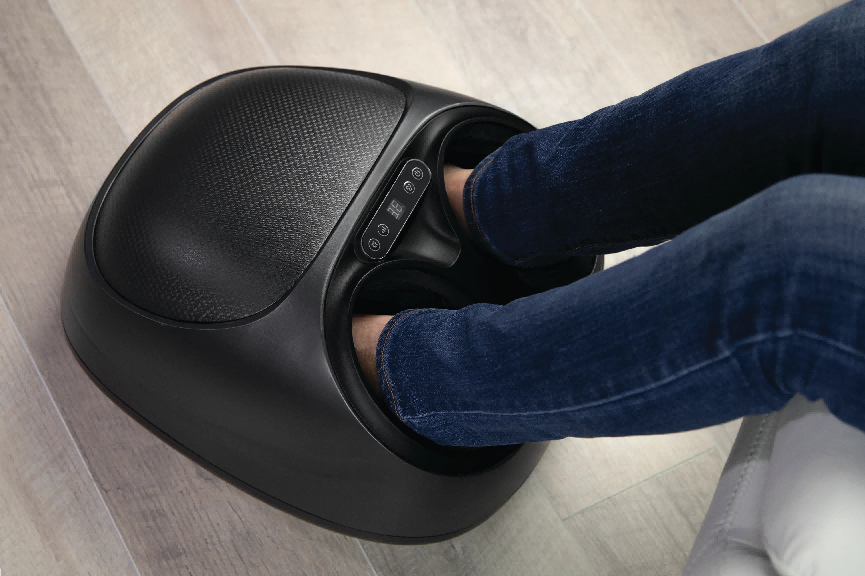
II. The Scientific Value of Foot Soaking: More Than Just Warming Feet
Soaking your feet may seem simple, but its benefits go far beyond just warming your feet:
- improving blood circulation
and making blood flow smoother. This is especially effective for people with cold hands and feet. - Hot water can release tension in the feet.
softening the plantar fascia and muscle tissue and relieving soreness after standing for a long time or exercising. - soaking
your feet can have a calming effect on the nervous system, producing a slight sense of pleasure. - It can be paired with natural ingredients
such as ginger slices, mugwort, or bath salts to enhance the effects of removing dampness and warming the body, making it especially suitable for people with excessive dampness and cold constitutions.
However, there are some things to keep in mind when soaking your feet: water that is too hot or soaking for too long may cause dizziness or skin discomfort. The recommended temperature is 38–42°C, and the soaking time is 10–15 minutes.
III. The Core Value of a Foot Massager
A foot massager is not just a “foot massager”; it has its own scientific principles:
- Mechanical stimulation: Rollers, kneading, air pressure, etc., can mimic manual massage.
- Hot compress: The warmth helps dilate blood vessels and improve circulation.
- Vibration/bubbles: Enhance the relaxation experience
These features target pressure points on the sole of the foot and areas of fascial tension, helping to:
- Relieve foot soreness
- Improve blood circulation
- Improve comfort before sleep
Compared to manual massage, the biggest advantage of a massager is that it can be used daily to form a regular self-management routine.
IV. Massager + Foot Bath: The Golden Combination Operation Procedure
Scientific research and extensive user experience show that the order is crucial:
Step 1: Soak your feet in warm water for 5–10 minutes
- Temperature 38–42°C
- You can add ginger slices, mugwort, or bath salts.
- You can gently rub the soles of your feet to initially relax the fascia.
Step 2: Foot exercises
- Gently tiptoe and rotate your ankles
- Activate joints and small muscle groups
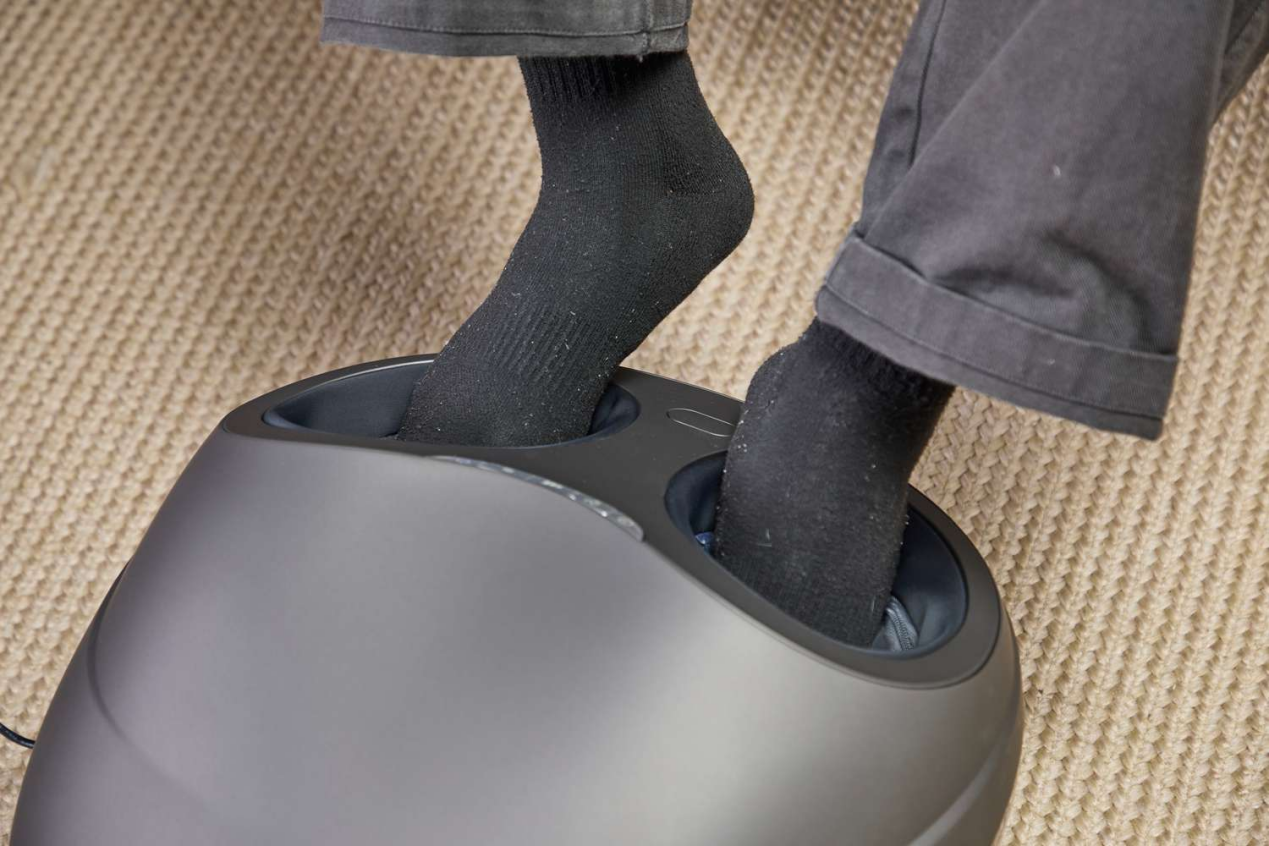
Step 3: Massage with a foot massager for 10–20 minutes.
- It is recommended to use the low-intensity mode first.
- Adjust gradually according to comfort level.
- If your feet feel sore and swollen, you can place a thin towel on the machine.
Step 4: Dry your feet after finishing.
- Avoid getting chilled after soaking your feet
- Wearing thermal socks can prolong the warming effect on your feet.
;The essence of this process lies in: first heat, then massage, and finally keeping warm. Soaking your feet dilates blood vessels and softens tissues, while the foot massager provides deep massage and circulation ; the combined effect is even more pronounced.
V. Suitable users of the golden combination
- People who experience leg fatigue due to prolonged sitting or standing
- People with cold hands and feet and poor circulation
- People who want to recover quickly after exercise
- People with high humidity levels and prone to cold and dampness
- People who want to improve their sleep quality
Not recommended for use by certain groups of people
- Open wounds or infections on the feet
- Severe varicose veins
- Severe peripheral vascular abnormalities in diabetes
- People who are sensitive to heat or have neuropathy
If these people want to try it, it is recommended that they consult a doctor first.
VI. Common Misconceptions
- Thinking that the hotter the better: Water that is too hot can actually cause dizziness or dry skin.
- .Thinking that the harder you press, the more effective it will be: Pain does not equal effectiveness .
- Massage without soaking your feet: Hot water can soften tissues and enhance the massage effect.
- Neglecting to keep warm after soaking your feet: Getting chilled immediately after soaking your feet will significantly reduce the effectiveness of the treatment.
In short: comfort is the core principle.
VII. FAQ
Q1: Can I use a foot massager and foot bath every day?
Yes, but it is recommended to do it once a day for 15-25 minutes at a moderate intensity.
Q2: Do I have to add Chinese medicine or natural ingredients to my foot bath?
Not necessarily, but ginger slices, mugwort, etc. can enhance the effects of removing dampness and warming the feet, which is especially suitable for people with a dampness constitution.
Q3: Does a foot massager have to have a heating function?
Not necessarily, but devices with a heating function are easier to use with a foot bath to achieve deep relaxation.
Q4: Why is the combined effect better than using them alone?
Soaking your feet first warms you up and softens the tissues in your feet, then the massager provides a deep massage. The mechanisms of action of the two complement each other, and the relaxation and circulation effects are superimposed.
Q5: Can the order of foot soaking and foot massage be reversed?
It’s not recommended. Massaging first and then soaking your feet may disrupt blood flow; it’s smoother and more natural to soak your feet first and then massage.

VIII. Summary
Soaking your feet alone or using a foot massager alone can bring comfort, but a truly deep relaxation and warming foot experience requires a scientific combination.
- Foot soak: Hot water dilates blood vessels and softens muscles and fascia.
- Foot massager: Mechanical stimulation deepens circulation and promotes relaxation.
- Golden order: Soak feet first → Gently massage feet → Foot massager → Keep feet warm
With consistent use, you’ll find that your feet no longer feel sore and swollen, your hands and feet are noticeably colder, and you sleep more soundly at night. This is the synergistic effect of the “1+1>2” golden combination for dispelling dampness and warming the feet.