How to relieve muscle soreness after hiking (Foot Massager)? Professional recovery guide.

Hiking is a great way to relax and connect with nature, but almost everyone has experienced this: after returning home, leg muscles are sore, ankles are stiff, and it can even affect movement the next day.
If you’ve ever experienced this, you might ask, “Can a foot massager help relieve muscle soreness after a hike?”
The answer is yes, but you need to understand its effects, usage, and precautions.
In this article, we will provide you with a complete and scientific recovery guide from several perspectives, including the causes of muscle soreness after hiking, the principle of foot massagers, usage tips, and precautions.
I. Causes of muscle soreness after hiking
Hiking may seem easy, but it puts a lot of strain on the body, especially the muscles in the lower limbs. Muscle soreness mainly comes from the following reasons:
1. Lactic acid buildup and micro-damage
Prolonged walking or going uphill and downhill can cause tiny tears in muscle fibers.
Although lactic acid buildup is only a temporary factor, combined with these micro-damages, it results in the typical soreness.
2. Muscle fatigue and poor blood circulation
Walking with heavy loads for extended periods, especially on mountain roads or uneven surfaces, can slow blood circulation, cause muscle metabolic waste to accumulate, and prolong the duration of soreness.
3. Excessive load on the feet
While hiking shoes can cushion the impact, the soles of the feet and ankles still bear a lot of pressure.
After walking for a long time, the plantar fascia, Achilles tendon, and calf muscles will feel tight and may even be accompanied by mild edema.
In short, the soreness after hiking is not weakness, but your muscles and joints telling you, “I need to recover.”
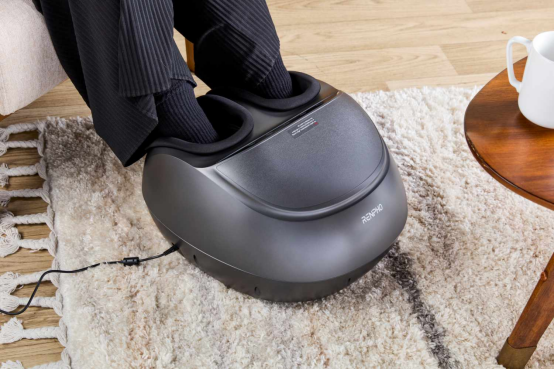
II. Working Principle of Foot Massager
Many hiking enthusiasts choose foot massagers to relieve soreness, but how exactly do they work?
1. Stimulates the nerves and muscles of the sole of the foot.
Foot massagers work on the reflex zones and muscle fibers of the soles of the feet using rollers, kneading, or air pressure.
This stimulation can:
- Relax tense muscles
- Improve local blood circulation
- Reduce nerve sensitivity to aches and pains
2. Promotes blood circulation and waste metabolism
After hiking, lactic acid and metabolic waste often accumulate in the lower limbs.
Foot massagers help blood flow back to the heart more quickly through mechanical massage, accelerating the removal of metabolic waste and thus shortening recovery time.
3. Relieves lower limb edema
Prolonged hiking can easily cause mild swelling, especially in the ankles and insteps.
Regularly using a foot massager can gently compress the tissues, helping fluid return and relieving heaviness and swelling.
In short, the core value of a foot massager lies in relaxation, promoting circulation, and aiding recovery, rather than “directly eliminating soreness.”
III. The best time to use a Foot Massager after hiking
Using a masseur at the right time can maximize its effectiveness.
Within 30 minutes after the end of the hike
During this period, the muscles are in a state of mild fatigue.
Using a foot massager can reduce lactic acid buildup.
The effect is even better when combined with raising both legs for a few minutes.
Before going to bed at night
- Muscles begin to repair
- Gentle massage helps relax the whole body and improve sleep quality.
- You can combine it with a warm foot bath to enhance comfort.
The next morning
- Use in moderation to help relieve nighttime swelling.
- Activate blood circulation in the lower limbs, making leg movement easier.
Note: Avoid high-intensity massage when muscles are severely sore or significantly damaged, as this may increase the burden on the muscles.
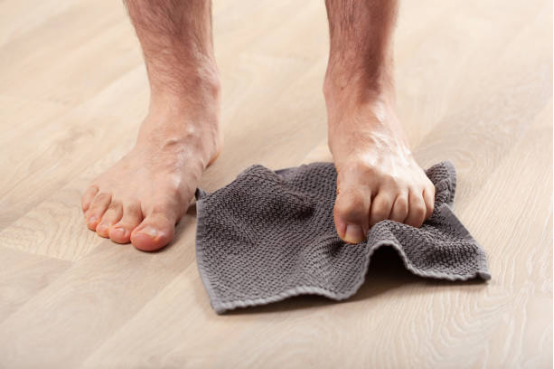
IV. Foot Massager Usage Tips and Precautions
To maximize the recovery benefits of hiking, proper use is crucial.
Intensity and time of use
- For first-time users, we recommend the low or medium setting.
- 15–30 minutes each time is sufficient
- Focus on the soles of the feet, heels, and the front of the calves.
Massage before and after stretching
- Foot rolling, ankle rotation, leg stretching
- It can enhance the circulation effect.
- It helps reduce delayed onset muscle soreness (DOMS).
Prioritize comfort and avoid overdoing it.
- Don’t believe that “only pain is effective.”
- The goal is to relax the muscles; gentle kneading is sufficient.
- If swelling or unusual pain is detected, stop immediately.
Tip: You can use the foot massager while watching movies or listening to music to make the recovery process more enjoyable.
V. Foot Massager and Hiking Recovery Combination Program
Combining hiking and a massager can create a simple and effective recovery program:
- After hiking, do some light stretching for 5–10 minutes.
- Elevate your legs and perform massage for 15–20 minutes.
- Drink warm water or lightly salted water to replenish fluids.
- Before bed, use a massager for 10–15 minutes to relax.
- If slight stiffness occurs the following morning, you can gently apply it for another 10 minutes.
After 2–3 days, muscle soreness is usually significantly relieved, and recovery is faster than with just rest.
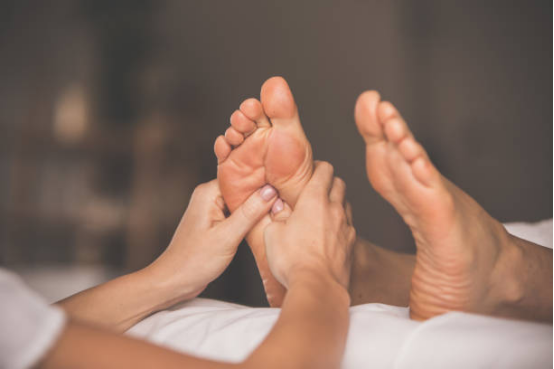
VI. Additional Benefits of Foot Massager
In addition to relieving soreness after hiking, long-term use may also bring the following benefits:
- Improves blood circulation and reduces mild lower limb edema.
- Relieve foot fatigue and improve daily walking comfort
- Regulates the nervous system, allowing the feeling of relaxation in the legs to extend throughout the body.
- It can provide some relief for plantar fasciitis and mild ankle pain.
Of course, these are all supplementary roles and cannot replace professional treatment or rehabilitation training.
VII. Tips before hiking
Preparing before hiking can also reduce aches and pains:
- Proper warm-up: ankle rotation, leg stretches
- Choose the right shoes: they should have sufficient cushioning and support.
- Control the load: The backpack should not be too heavy.
- Hydration and electrolyte replenishment: Maintaining muscle electrolyte balance
These measures, used in conjunction with a massager, can make your hiking experience easier and your recovery faster.
FAQ: Foot Massager FAQs after hiking
Q1: Can a massager completely eliminate muscle soreness?
It cannot completely eliminate it; it mainly plays a supporting role in recovery.
Q2: Can it be used on the day of hiking?
Mild use is fine, but avoid using high-intensity massage when extremely fatigued or with significant muscle damage.
Q3: When is the best time to use a masseur?
The most noticeable effects are within 30 minutes after a hike, before bed at night, and the next morning.
Q4: Will I become overly dependent on it if I use it every day?
As long as you use it for relaxation, you won’t become overly dependent, but it is recommended to use it in conjunction with stretching and hydration.
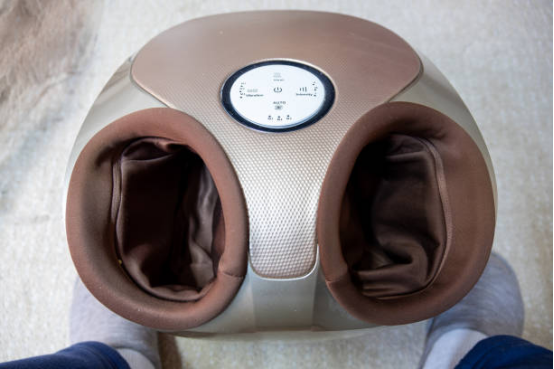
VIII. Summary
Soreness in the legs and feet after hiking is not a sign of weakness but rather a sign that your body needs to recover.
Using a foot massager allows you to:
- Relax muscles
- Promote blood circulation
- Relieve aches and heaviness
- Accelerate the recovery process
With proper stretching, leg raises, and hydration, a massager can be your best recovery companion after a hike.
It helps your legs easily return to their normal state, making your next hike even more enjoyable.