Foot Massager + Essential Oils: Unlocking the Perfect Combination for Double Nourishment and Deep Relaxation

When you diligently search for foot massagers, it often indicates one thing:
Your body is reminding you in some way that it needs care.
This kind of reminder isn’t necessarily a clear sign of pain.
More often, it manifests as persistent fatigue, lighter sleep, heaviness in the lower limbs, or even a vague tightness and discomfort.
This article will systematically explain how to transform a foot massager from an “occasional machine” into a truly useful and sustainable daily relaxation tool.
We’ll cover principles, device types, essential oil selection, usage order, common misconceptions, and long-term benefits.
Why is the foot the most underestimated entry point for relaxation?
Many people have a similar reaction when using a foot massager for the first time:
“I didn’t know that foot massage could affect so many places.”
This is not an exaggeration.
From a physiological perspective, the feet are one of the areas with the highest density of nerve endings in the human body.
They are also a major point of support for the body’s weight. Prolonged walking, standing, or sitting will eventually cause pressure to accumulate in the feet.
More importantly, foot stimulation is closely related to the activation of the parasympathetic nervous system.
Simply put, when the feet are continuously and steadily relaxed, the brain is more likely to receive the signal that “it’s time to rest.”
coincidence butThis is why many people unconsciously yawn or even feel sleepy while using it. It’s not a coincidence, but a natural bodily response.
“strength.”The core value of a foot massager is not just about “strength”.
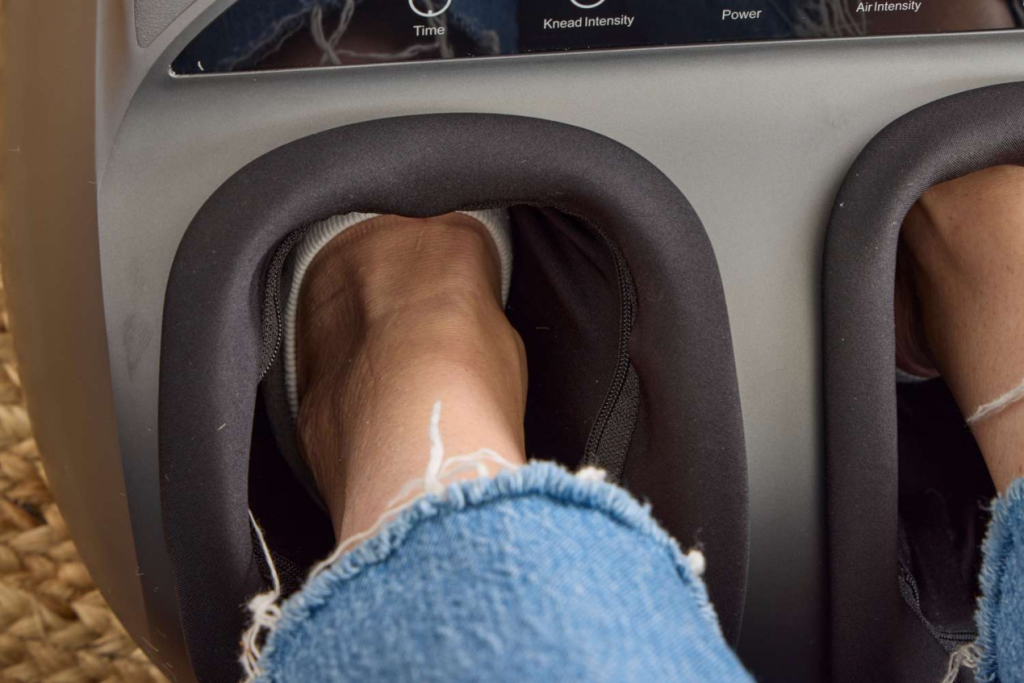
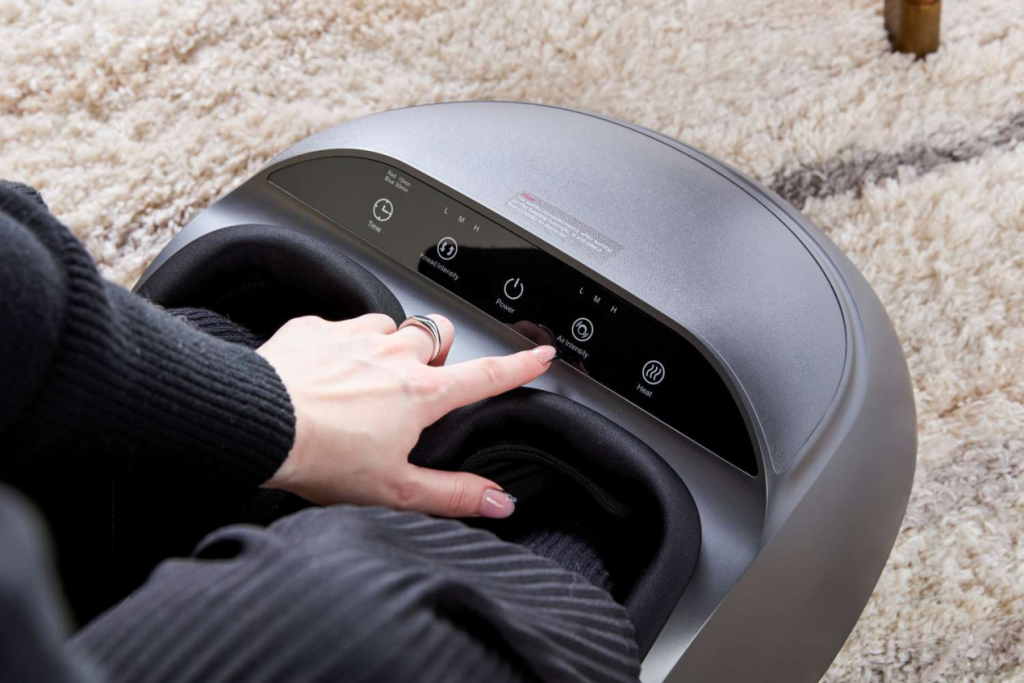
Foot massagers on the market seem to have very different functions: kneading, rollers, air pressure, heat therapy, acupressure…
The parameters are getting more and more complicated.
“valuable.”However, based on long-term user experience, there are actually only three core factors that truly determine whether a massager is “valuable”.
1. Whether a stable, repeatable stimulus can be formed.
Excessive stimulation may feel great in the short term, but this experience is often difficult to maintain in the long run.
The truly valuable foot massager is usually not the one that “massages the most,” but the one you’re willing to turn on every day.
2. Does it match your actual use case?
Many people overlook this point.
- Is it quiet enough for nighttime use?
- Does it have a heating function for use in winter?
- Do people who sit for long periods of time prefer gentle rather than strong stimulation?
These experiential details are far more important than horsepower.
3. Can it coexist naturally with other relaxation methods?
This is precisely why essential oils are starting to be mentioned more frequently.
methods butA truly sophisticated foot massager should not exclude other relaxation methods, but rather become an integral part of the overall relaxation process.
Why can essential oils significantly amplify the relaxing effects of Massager?
The mechanism of action of essential oils is completely different from that of a massager.
- Foot massager: works on body structure and muscle layers.
- oils haveEssential oils: have a greater impact on the nervous system and emotional responses.
When both occur simultaneously, a very critical point of synergy is formed:
When the body is physically relaxed, the brain’s receptivity to smells increases significantly.
This is why many users feel “not bad” when using essential oils alone but are significantly more likely to enter a relaxed state during use.
It’s not that the essential oil suddenly became more potent, but rather that the body’s condition finally aligned with its effects.
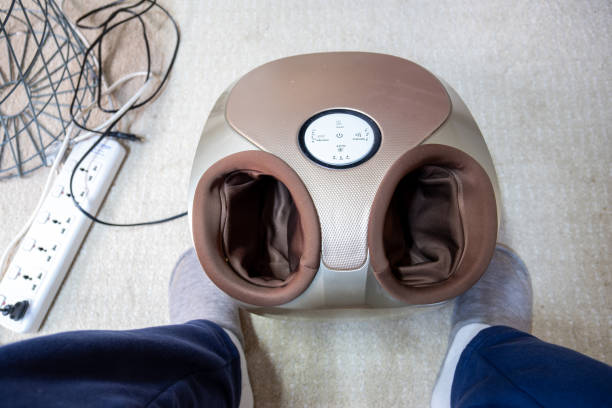
One issue that must be clarified: Essential oils ≠ Add directly to Massager
The vast majority of massagers are not designed as products that allow direct contact with essential oils.
Ignoring this fact can lead to a poor user experience or even affect the lifespan of your device.
In situations where it is not recommended for essential oils to come into direct contact with the massager, the following situations should be avoided:
- The inner liner cannot be disassembled for cleaning.
- Fabric or foam lining structure.
- The official specifications do not specify which models support essential oil use.
A more professional and safer pairing logic is
- Essential oils for use on skin or in the air.
- Foot massager focuses on mechanical massage.
While it may seem like a separation, it is actually the most stable and suitable approach for long-term use.
Different uses require completely different essential oil choices.
Many people underestimate this.
Essential oils are not just about “smelling nice” but have a clear functional orientation.
Scenario 1: Relieving foot fatigue and muscle tension
This is the most common target for foot massagers.
Choose essential oils that are more soothing and relaxing:
- Lavender
- Rosemary
- Eucalyptus
This combination is especially suitable for use after getting off work or after a long walk.
Scenario 2: Improving sleep and relaxing nerves
If you mainly use your foot massager at night, you’ll need to be more careful with your choice of essential oils.
- True Lavender
- Roman Chamomile
- Sweet Orange
The key is not to “energize” the body but to gradually slow it down.
Scenario 3: Foot care and skin condition improvement
Many long-term users will eventually pay attention to the condition of their foot skin.
- Mastic
- Geranium
- Low concentration of Tea Tree
When diluted with a base oil, it is more suitable for long-term care.
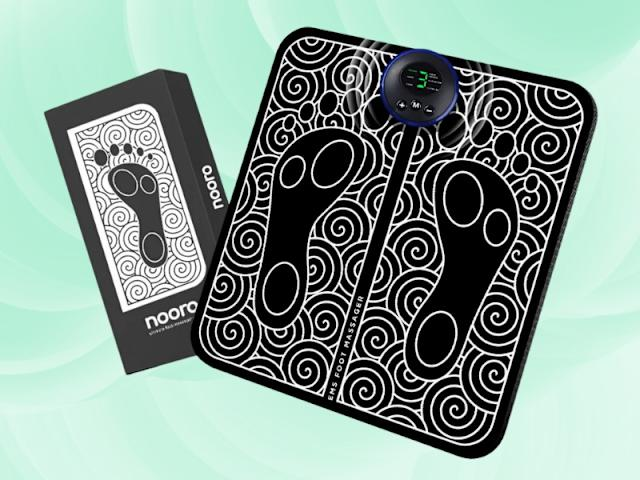
Are different types of foot massagers suitable to be paired with essential oils?
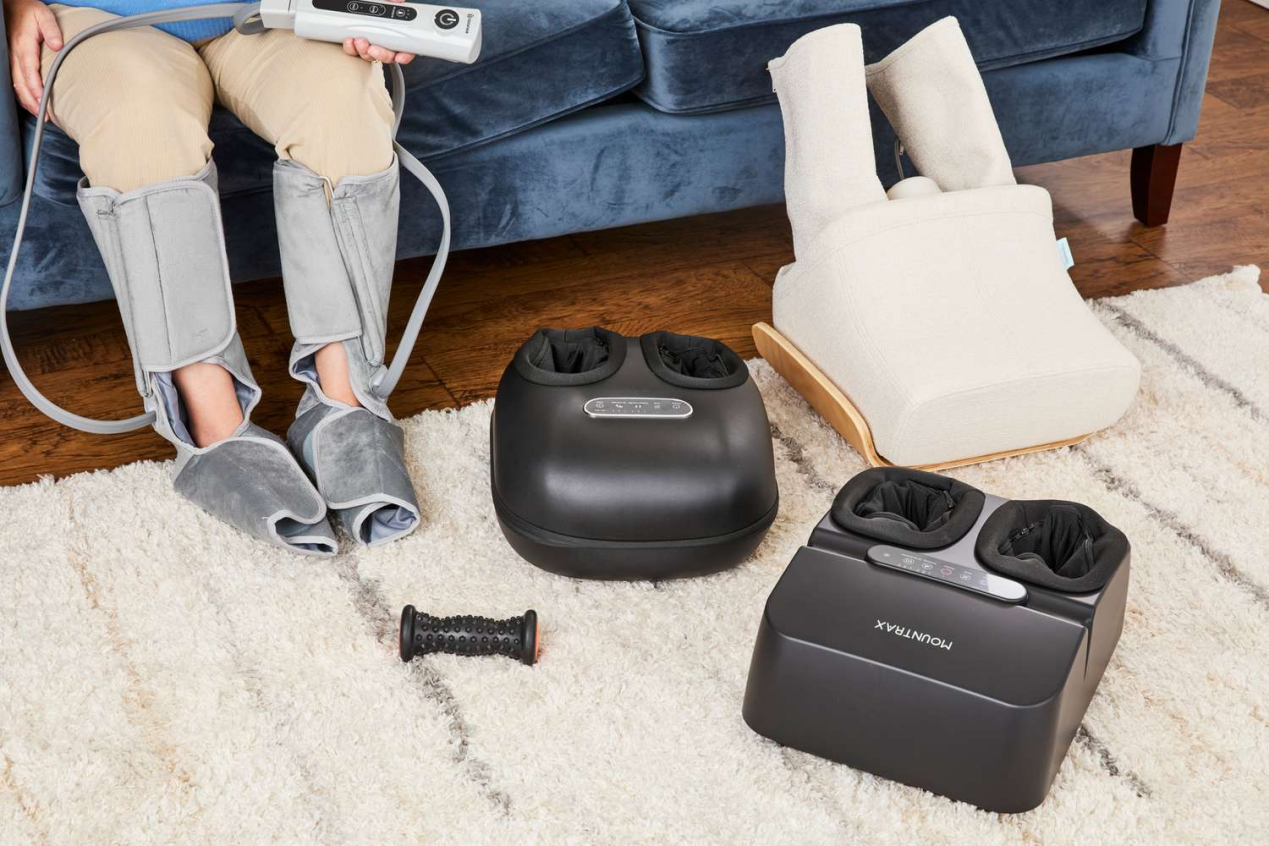
From a structural and usage perspective, foot massagers on the market can be roughly divided into the following categories.
Kneading type
- High relaxation efficiency.
- Direct contact with essential oils is not recommended.
- More suitable for essential oil treatment before use.
Roller/Acupressure Type
- Stimulating concentration.
- The usage time should not be too long.
- Essential oils are primarily used for skincare and lubrication.
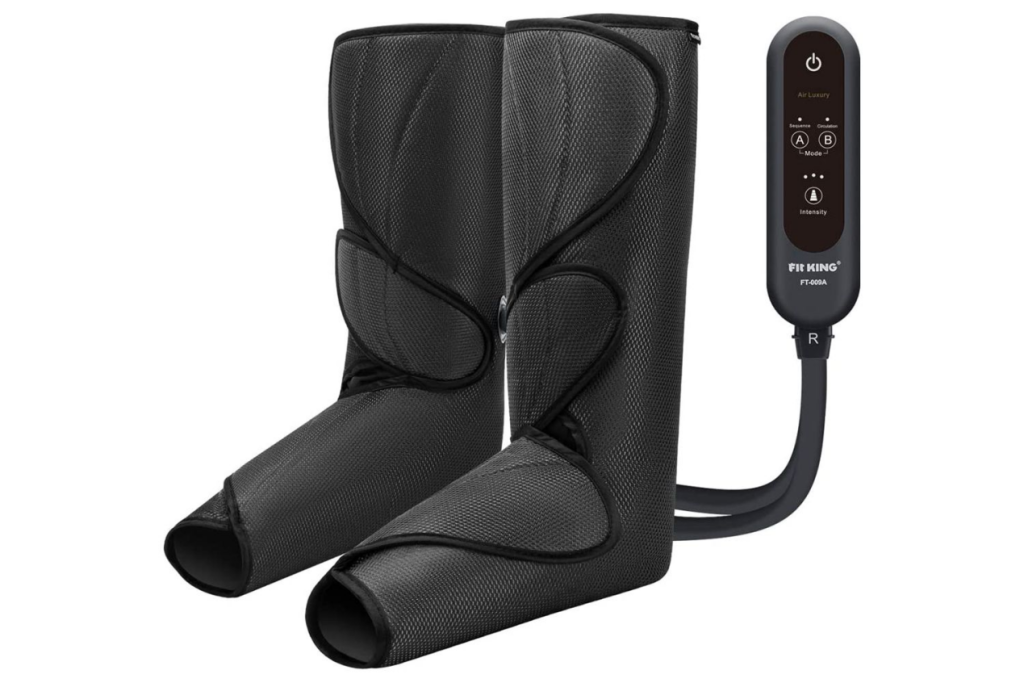
Air pressure envelopment type
- Stable rhythm.
- Minimal skin irritation.
- Highest compatibility with essential oils.
For people who want to use it long-term, this type of massager tends to be more satisfying.
The order in which you use them is more important than you think.
This is a conclusion reached after repeated verification by many users.
Recommended order of use:
- Soak your feet in warm water for 5–10 minutes.
- Dilute the essential oil with a carrier oil and apply to the feet.
- Use a foot massager.
- Sit quietly or fall asleep after the massage.
The core value of this sequence lies in allowing blood circulation, neural feedback, and olfactory stimulation to unfold layer by layer, rather than being “crowded together” at the same time.
Why do some people find Foot Massager “more and more tiring to use”?
This is not an isolated case.
Common causes include:
- Massage intensity is too high.
- Long single-use time.
- Essential oils are too irritating.
- Ignoring the body’s true feedback.
A truly good massager user experience should leave you feeling relaxed afterward, not drained.
From a brand perspective: Why is Foot Massager a long-term product?
There is a very stable phenomenon in long-term user data:
The users who remain are often not thrill-seekers but rather those who are willing to make massages a part of their lifestyle.
When essential oils are properly incorporated into the usage process, foot massagers are more likely to create:
- Fixed time.
- Fixed pattern.
- Fixed combination.
This is precisely the source of long-term satisfaction.
FAQ: Frequently Asked Questions about Foot Massager + Essential Oils
Q1: Can I use it every day?
Yes, most users only need 15–30 minutes a day; the key is to keep the intensity moderate.
Q2: Must essential oils be applied directly to the feet?
Not necessarily. Diffusing is just as effective, especially for people with sensitive skin.
Q3: Does a foot massager really help with sleep?
It is helpful for many users, especially when used before bed and paired with the right essential oil.
Q4: Any advice for first-time users of the massager?
Start with low intensity. Your body needs time to adapt; there’s no need to aim for “painful massage.”
In conclusion: Truly valuable relaxation is sustainable.
Foot massagers are not the answer to all problems. Essential oils themselves are not a panacea either.
But when the two are placed in the right position and combined in a reasonable way, they can indeed constitute a:
- Stable
- Low cost
- Can be maintained in the long term
A daily relaxation plan.
It’s not just an experience but an adjustment to one’s lifestyle. That’s the true value of a massager.