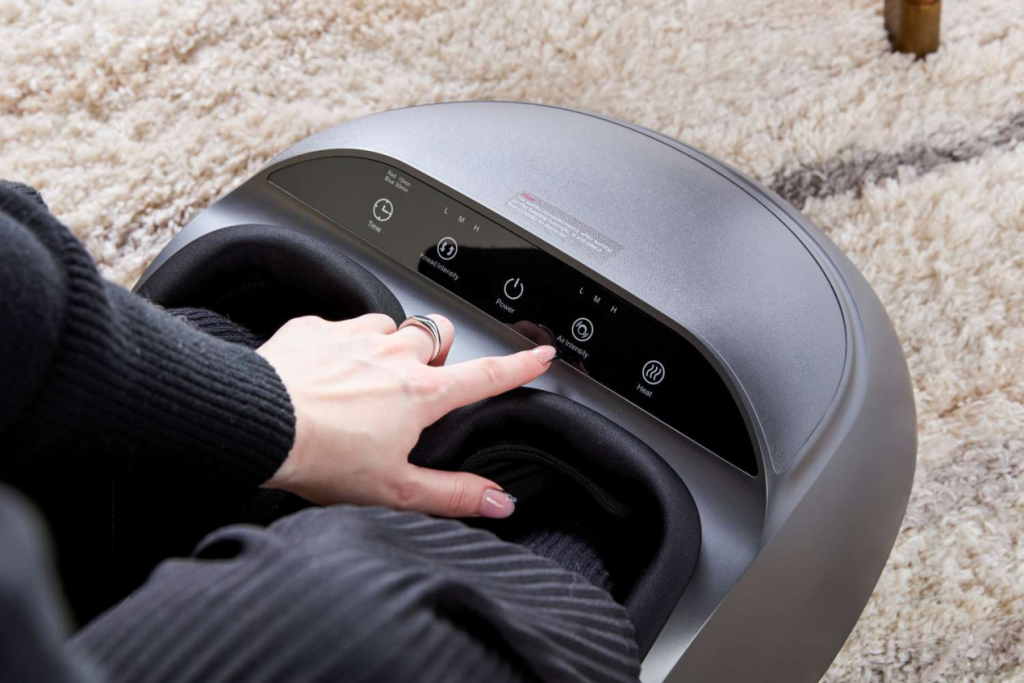
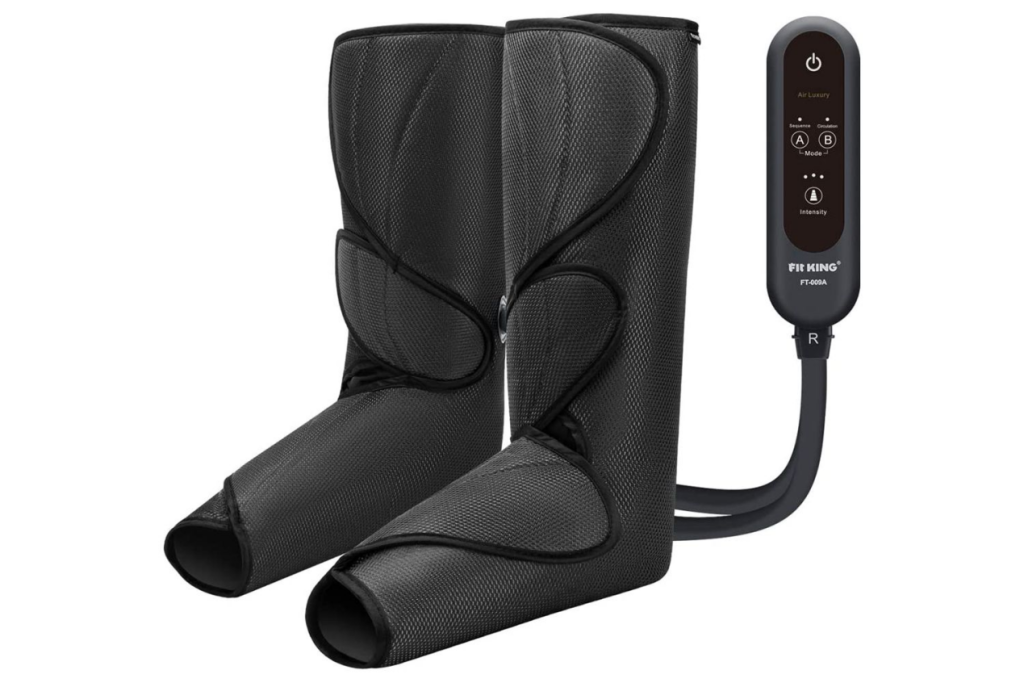
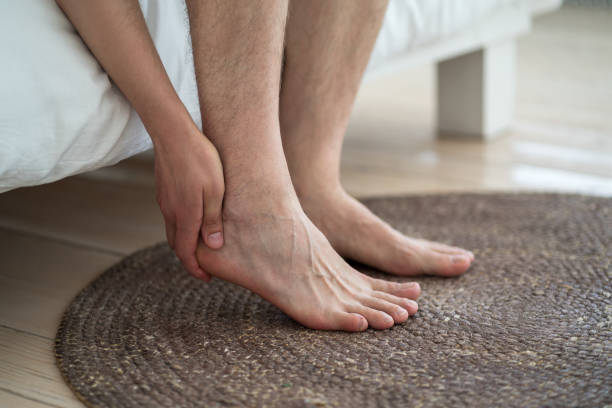
Foot massager for weight loss: Usage frequency and pairing suggestions to boost metabolism

Losing weight is something that evokes both anticipation and anxiety. We all know that relying solely on dieting or exercise is often difficult to maintain long-term, especially when experiencing fatigue, poor circulation, or water retention, making it easier to give up halfway. Here, the foot massager offers a new approach to weight loss assistance. It’s not a “direct weight loss miracle,” but rather it makes weight loss plans smoother by improving blood circulation, relieving fatigue, and optimizing the metabolic environment.
Many people experience this when using it for the first time: “My feet feel so relaxed after the massage, and I feel completely at ease.” This feeling of relaxation is not accidental. Scientific research shows that the soles of the feet are rich in nerve endings, and mechanical stimulation can promote blood flow, increase local temperature and metabolic levels, thus creating a more ideal physical environment for weight loss.
I. Foot massager and metabolism: Why can it help with weight loss?
Many people’s first reaction is: “Can foot massage help with weight loss? Really?” The answer is, it doesn’t directly burn fat, but it can indeed aid in weight loss. The core mechanisms include:
- When the soles of the feet are massaged, rolled, or stimulated by air pressure, blood vessels dilate and blood flow increases. This improves the supply of oxygen and nutrients and accelerates the removal of metabolic waste, indirectly enhancing the metabolic environment.
For
example, using a foot massager for 10–15 minutes after exercise can relieve swelling in the calves and feet, promote faster muscle recovery, and provide more motivation for the next workout. - Relieving Foot and Lower Limb Fatigue:
After prolonged standing, sitting, or long-distance running, the muscles in the soles of the feet and calves may feel tight. Foot massage can relax the fascia, reduce pain and soreness, and make you more willing to engage in aerobic exercise or strength training. - Improving sleep and relaxing the nerves
are essential for weight loss. A foot massager stimulates the parasympathetic nervous system, helping to relax the mind and body and improve sleep quality. Studies show that insufficient sleep lowers the basal metabolic rate and increases cravings for high-calorie foods; therefore, improving sleep helps control calorie intake.
In summary, the main function of a foot massager is not to directly burn fat, but to optimize physical condition and support a long-term weight loss plan.
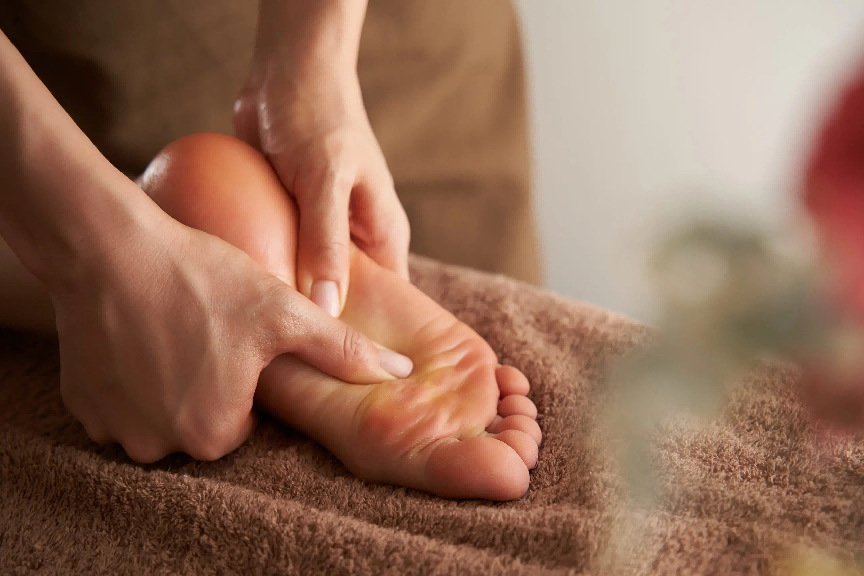
II. Blood Circulation and Metabolism: The Scientific Logic Behind Weight Loss
To understand how foot massagers aid weight loss, it’s necessary to first understand the relationship between blood circulation and metabolism.
- Basal metabolic rate (BMR): BMR determines the rate at which the body consumes energy at rest.
- Blood circulation affects metabolism: When circulation is smooth, oxygen and nutrients can be efficiently delivered to muscles and organs, and waste products can be eliminated in a timely manner. Poor circulation can easily lead to edema, muscle stiffness, and slow metabolism.
- Using the massager’s kneading and heat functions can stimulate acupoints and fascia on the soles of the feet, promoting blood flow. This not only relaxes muscles but also indirectly improves metabolic efficiency, creating a more favorable environment for fat breakdown.
Real-world example: A white-collar worker who sits for long periods of time used a foot massager for 15 minutes every evening. After 4 weeks of consistent use, she reported significant improvement in swelling in her feet and calves, reduced fatigue after exercise, and better overall energy.
III. Foot massager usage frequency and timing
The value of a foot massager lies in regular use, rather than in one-time high-intensity operation.
initial adaptation
- 3–5 times per week
- 10–15 minutes each time
- Intensity controlled within a comfortable range
Stable period
- 10–20 minutes daily
- The intensity can be adjusted according to the body’s response.
- For best results, use before and after exercise.
Friendly reminder: Don’t aim for “pain” at the beginning. Moderate and gentle massage is more conducive to blood circulation and metabolism activation.
Order suggestion
- Before exercise: Gently massage for 5–10 minutes to improve foot circulation.
- Post-workout: 15–20 minutes of deep massage to relieve muscle soreness and lactic acid buildup.
- Core idea: Warm the body first, then massage deeply to ensure the body gradually activates metabolism in a comfortable state.
IV. Combination Scheme: Enhancing the Fat Loss Aid Effect
The auxiliary effect of a foot massager lies in its combination with a reasonable fat loss strategy:
1. Aerobic exercise
Moderate-intensity aerobic exercises such as jogging, brisk walking, and cycling can increase energy expenditure. Using a foot massager after exercise can :
- Relieve foot fatigue
- Reduce edema
- Improve recovery speed
This makes it easier for you to stick to your daily exercise plan.
2. Dietary Management
Maintaining a calorie deficit remains the core of weight loss. A balanced diet combined with a foot massager can help:
- High-protein foods support muscle recovery
- Low-GI carbohydrates help maintain stable blood sugar levels.
- Sufficient fiber increases satiety
The comfort and relaxation provided by a foot massager can help you be more consistent in your diet and reduce the likelihood of repeatedly breaking your plans.
3. Flexibility training
Yoga, stretching, foam rolling, and other activities can improve muscle flexibility. When used with a foot massager , it can:
- Relax the plantar fascia
- Increase range of motion
- Reduce muscle soreness
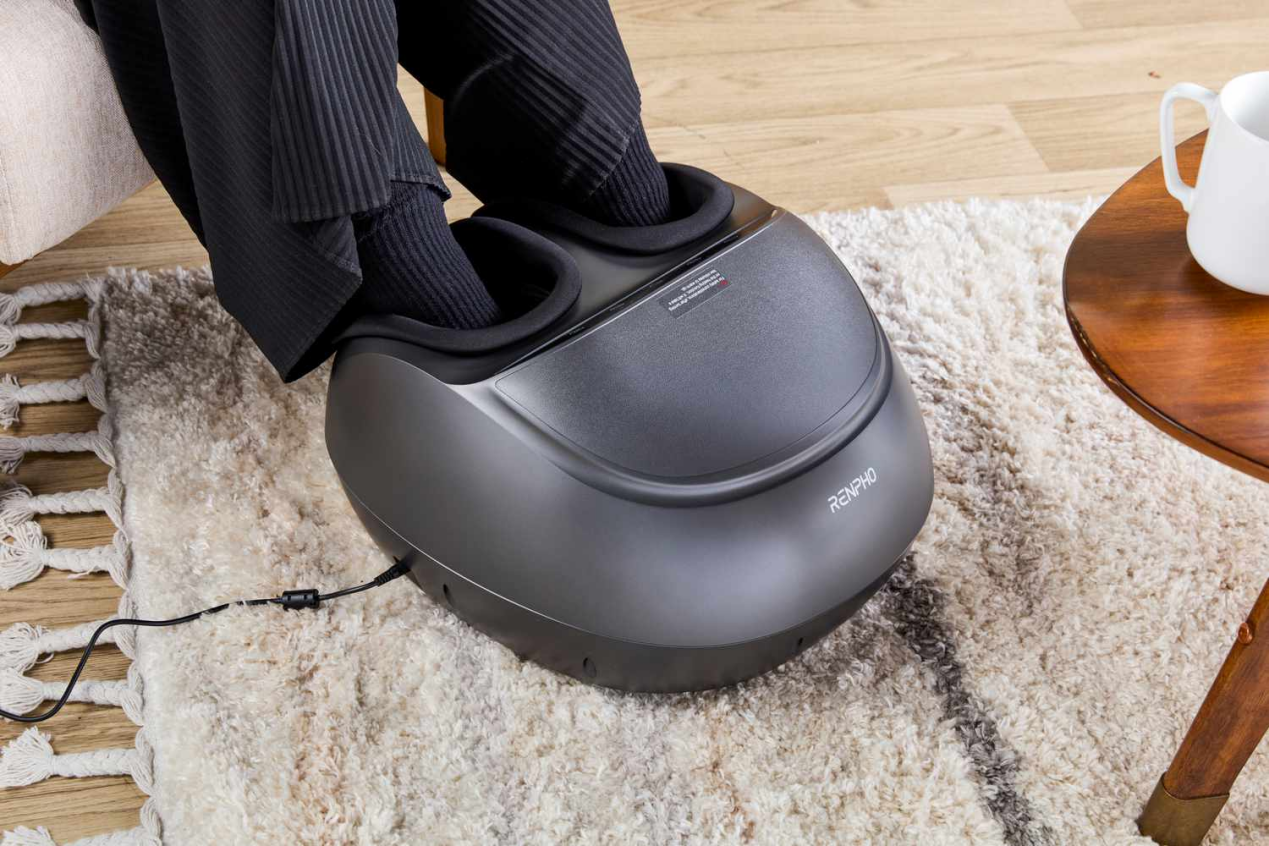
V. Common Misconceptions: Don’t let incorrect beliefs affect your weight loss results
There are several common misconceptions when using a foot massager to aid weight loss, and ignoring these can easily undermine your efforts. Understanding these misconceptions and adjusting your usage accordingly will allow you to achieve more scientific and lasting results.
Myth 1: Spot burning
Many people hope to “slim their legs and calves” through foot massage, and some even believe that simply massaging their feet daily will make the fat disappear. The reality is that foot massage cannot directly reduce localized fat. Fat breakdown is a systemic process that requires an energy deficit, meaning that the calories burned must exceed the calories consumed.
The purpose of a foot massager is to improve blood circulation and lymphatic drainage, indirectly reducing edema and making muscles more relaxed.
Key takeaway: Use foot massage as an aid to fat loss, rather than a direct weight loss tool. It is more effective when combined with diet and exercise.
Myth 2: The more frequently you use it, the better.
Some people think, “Wouldn’t using it twice a day be more effective?” Actually, this is a common misconception. The core value of a foot massager lies in regular use and comfort. Overuse can lead to fatigue in the soles of the feet and calf muscles, and even mild soreness.
Scientific advice:
- Initially: 3–5 times per week, 10–15 minutes each time.
- Stabilization period: 10–20 minutes daily, primarily using gentle techniques.
- You can deepen the massage after exercise, but still prioritize comfort.
Myth 3: It can replace exercise or diet
Many people mistakenly believe that massaging their feet will allow them to lose weight without exercise or a restricted diet. The reality is that a massager is an auxiliary tool, not the primary method for fat loss.
It can make the body more suitable for exercise and diet: reduced fatigue, improved circulation, and better sleep, thereby improving overall quality of life. However, if exercise and diet control are neglected, it will still be difficult to achieve weight loss goals.
In summary, the premise of using a foot massager to assist in weight loss is to combine it with a reasonable overall lifestyle, rather than replacing basic strategies.
VI. Safety Usage Guidelines: Scientific Use is Key to Effectiveness
The correct use of a foot massager not only affects weight loss results but also relates to safety and health. The following suggestions are especially important:
Each use
should ideally last 10–20 minutes; longer use may cause foot muscle fatigue and mild bruising. It can be used twice a day, morning and evening, or before and after exercise, but the total duration should not exceed 30 minutes.
Physical condition limitations
- Avoid using if there are wounds, broken skin, or infection on the feet.
- Patients with varicose veins or severe edema should consult a doctor first.
- People with diabetes or sensory abnormalities should operate with caution.
Use intensity adjustment
- Start with the gentle mode initially to allow your feet to gradually adapt.
- If stinging or significant discomfort occurs during use, discontinue use immediately.
- Remember: Comfort is key to effectiveness; the more “aggressive” the treatment, the more effective it is not necessarily.
In conjunction with environmental optimization
- Soaking your feet for 3–5 minutes before using a foot massager can help dilate blood vessels.
- After use, you can do some simple stretching to improve blood circulation and relax your fascia.
- Use in a quiet, warm environment to relax your mind and body and enhance metabolic support effects.
By following these safety guidelines, you can not only avoid foot injuries but also maximize the positive effects of the foot massager on circulation and metabolism.
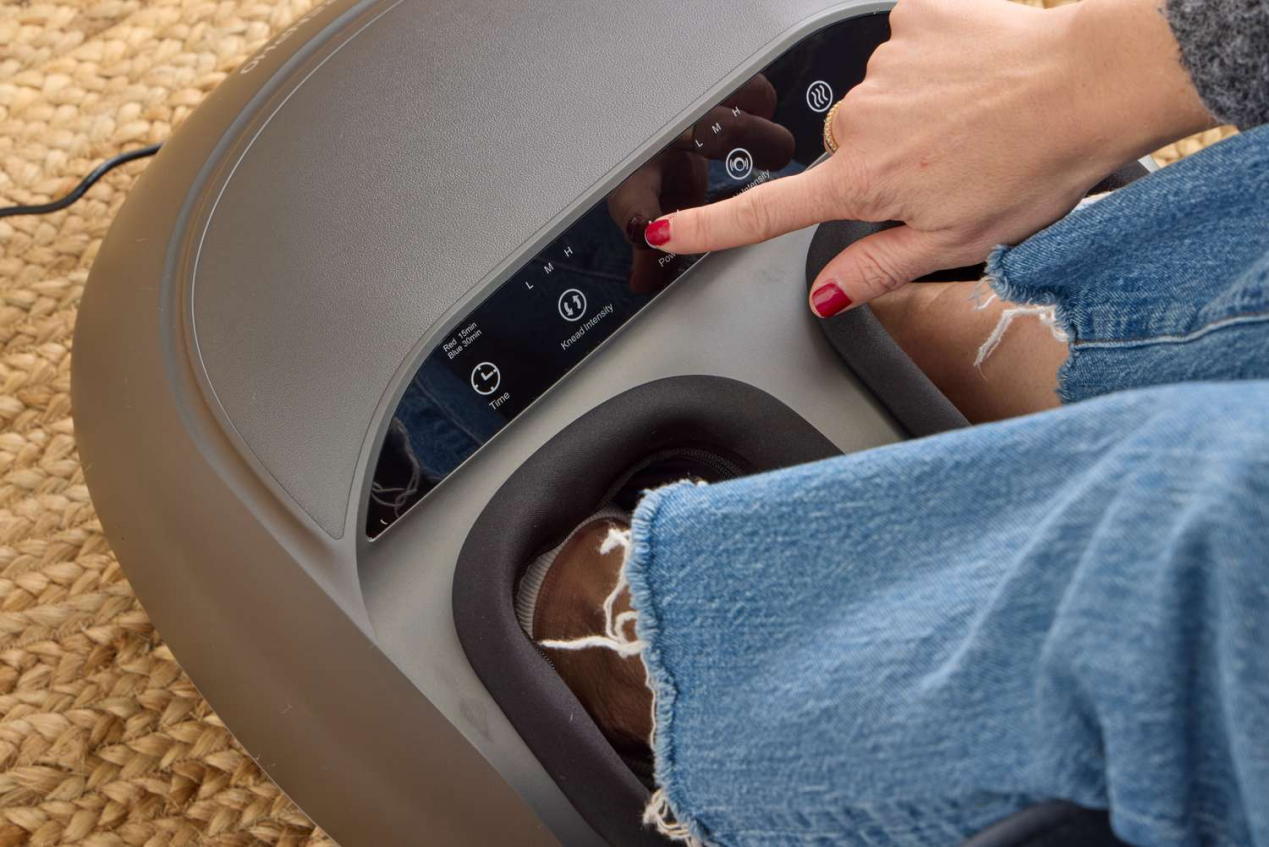
VII. Actual Results and Feedback: User Experience Sharing
Feedback from long-term users of Massager shows that its main benefits in weight loss are improved circulation, fatigue relief, and improved sleep, rather than direct fat burning.
1. Improved circulation and edema
Many people who sit for long periods report that after 2–4 weeks of use, swelling in the ankles and calves is significantly reduced, and standing or walking in the evening is no longer heavy. This is because foot massage activates local blood circulation and lymphatic drainage, reducing tissue fluid retention.
2. Relief of fatigue after exercise
After aerobic exercise or strength training, the feet and calves often feel sore or have lactic acid buildup. A foot massager can accelerate the elimination of metabolic waste, allowing muscles to recover faster. Many users report feeling easier to get up the next day and experiencing a significant increase in motivation to exercise after using it.
3. Improved sleep quality
Studies show that massaging the soles of the feet can stimulate the parasympathetic nervous system, putting the body into a relaxed state. Long-term users report that after using a foot massager for 10–15 minutes in the evening, they fall asleep faster and experience more deep sleep, indirectly supporting their weight loss plans.
4. Continuous optimization of lifestyle habits
More importantly, using a foot massager helps establish regular lifestyle habits: massaging your feet at a fixed time every day, combined with exercise and diet plans, enhances the ability to stick to weight loss.
In summary, this feedback indicates that the value of a foot massager lies in its indirect assistance —optimizing circulation, relieving fatigue, and improving sleep, thus making it easier to stick to a weight loss plan.
8. FAQ
Q1: Can using a massager daily directly slim my legs?
No, it doesn’t directly slim them. It indirectly supports fat loss by improving circulation and relieving fatigue.
Q2: Do I need to exercise before and after using it?
Yes, it works best when used in conjunction with exercise.
Q3: How long will it take to see results?
You can feel improved circulation and fatigue relief in 2–4 weeks.
Q4: Can a foot massager replace a foot bath?
A foot bath has a more direct effect of dilating blood vessels, so a foot massager + foot bath is the ideal combination.
IX. Conclusion
Foot massagers are helpful tools for weight loss. By improving circulation, relieving fatigue, and enhancing the metabolic environment, they make it easier to stick to your exercise and diet plans. Regular, comfortable, and scientifically combined use is key to maximizing their weight loss benefits.