Good news for people with flat feet: Foot Massager—a method to improve pressure distribution in the feet.

If you have flat feet or just occasionally experience foot soreness, you’ve probably already searched for “foot massager” to see if it can really help relieve your discomfort.
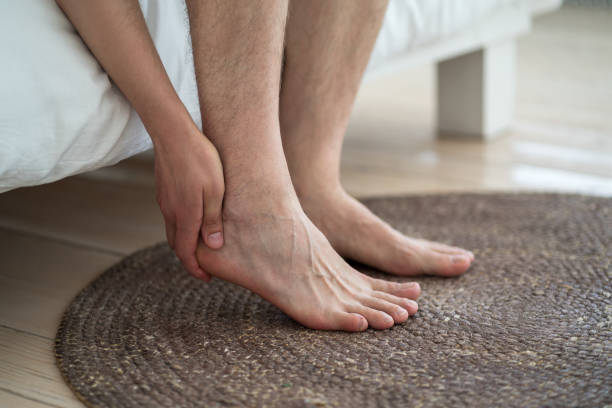
In reality, your feet are already reminding you in their own way that they’re under much more pressure than you realize.
Flat feet are not a disease, but they do alter the distribution of pressure on the soles of the feet. Over time, you may experience:
- Soreness and fatigue in the soles of the feet, walking fatigue
- Soreness in calves and knees
- Tight plantar fascia or Achilles tendon
- It can even affect the overall posture.
This article will explain in detail how to use a foot massager to help improve flat feet, covering scientific principles, usage methods, equipment selection, and daily management solutions.
I. What exactly are flat feet?
Many people think that “my arches aren’t very prominent” and therefore assume it’s not a big problem.
In fact, flat feet are not just a difference in appearance but also affect how the weight is distributed on the soles of the feet.
1. Changes in plantar pressure distribution
When standing or walking, a normal foot distributes pressure through the arch:
- forefoot
- heels
- muscles around the arch of the foot
And people with flat feet:
- Foot arch collapse
- Pressure concentrated in the midfoot area
- Compensatory force on the forefoot and heel
- Long-term tension of the plantar fascia
In other words, certain parts are constantly “working overtime.”
2. Common symptoms
- My feet ache after standing for a long time.
- Walking makes you tired
- My feet ache and swell at night, and my calves feel tight as a result.
- Affecting the knees and even the lower back
Many people think that wearing comfortable shoes is enough, but in reality, this only relieves the surface symptoms and cannot fundamentally improve the distribution of pressure.
II. Why is plantar pressure distribution important?
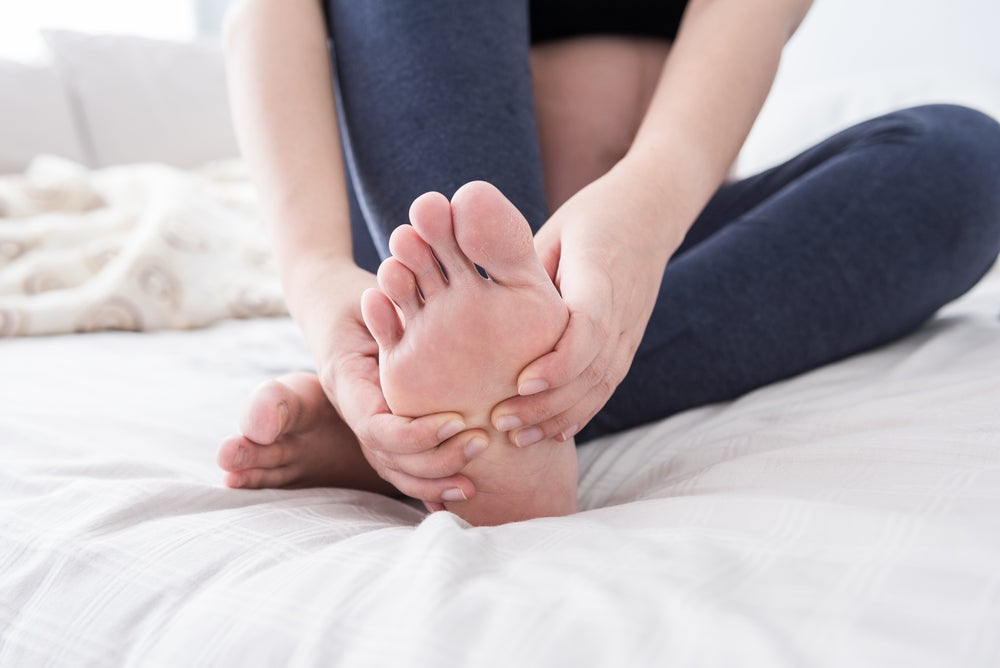
Flat feet cause pressure to concentrate, which can lead to the following problems over time:
- Plantar fascia tension
- Poor local circulation in the soles of the feet
- Increased compensatory load on calf muscles
Simply put, your feet are constantly under “high load,” accumulating significant fatigue. Even if you don’t walk much all day, you’ll still feel soreness and swelling.
III. Working Principle of Foot Massager
Before discussing how to use it, it’s important to clarify one point: foot massagers cannot correct flat foot skeletal structures.
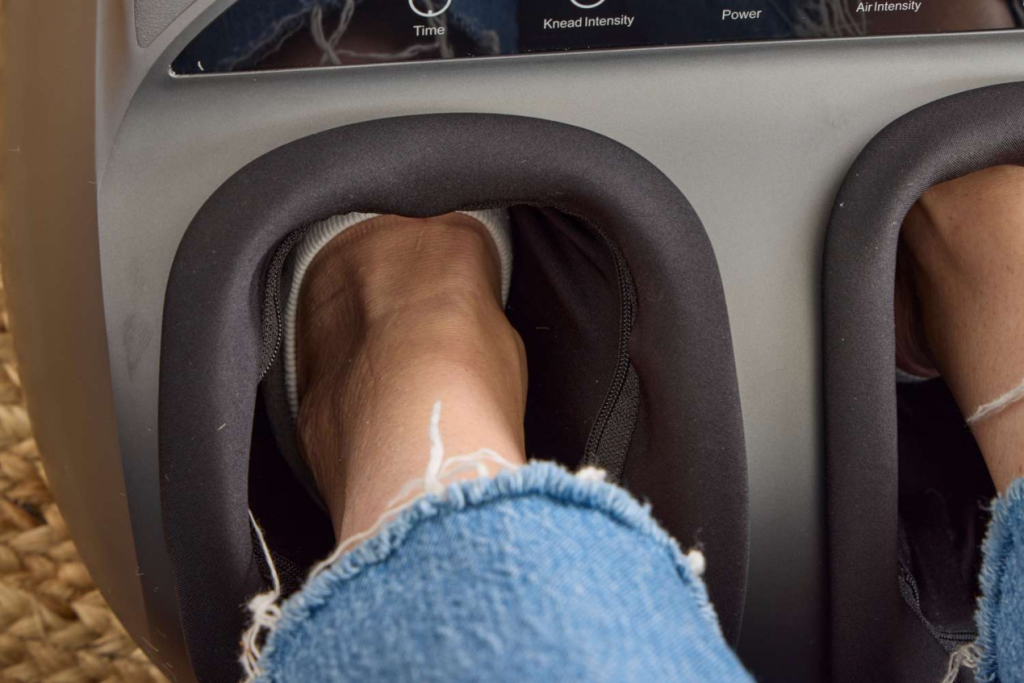
Their function is more like an “auxiliary management tool,” helping to reduce fatigue through mechanical stimulation and improved circulation.
1. Relieves tension in the soles of the feet
People with flat feet often experience excessive tension in certain areas of their feet.
A foot massager can provide:
- Roller massage
- barotrauma
- Hot compress and warming
These methods can gradually relax the plantar fascia and muscles, reducing local pain.
2. Improves local blood circulation
Prolonged stress can affect microcirculation, causing fatigue and soreness.
Moderate massage can promote blood flow, remove metabolic waste, and revitalize the feet.
3. Improve the feasibility of self-management
Compared to manual massage or complex exercises, foot massagers are easier to use daily.
For those managing flat feet long-term, consistency is far more important than a single burst of force.
IV. Foot Massager Selection Guide
Not all foot massagers are suitable for people with flat feet. Keep the following points in mind when purchasing:
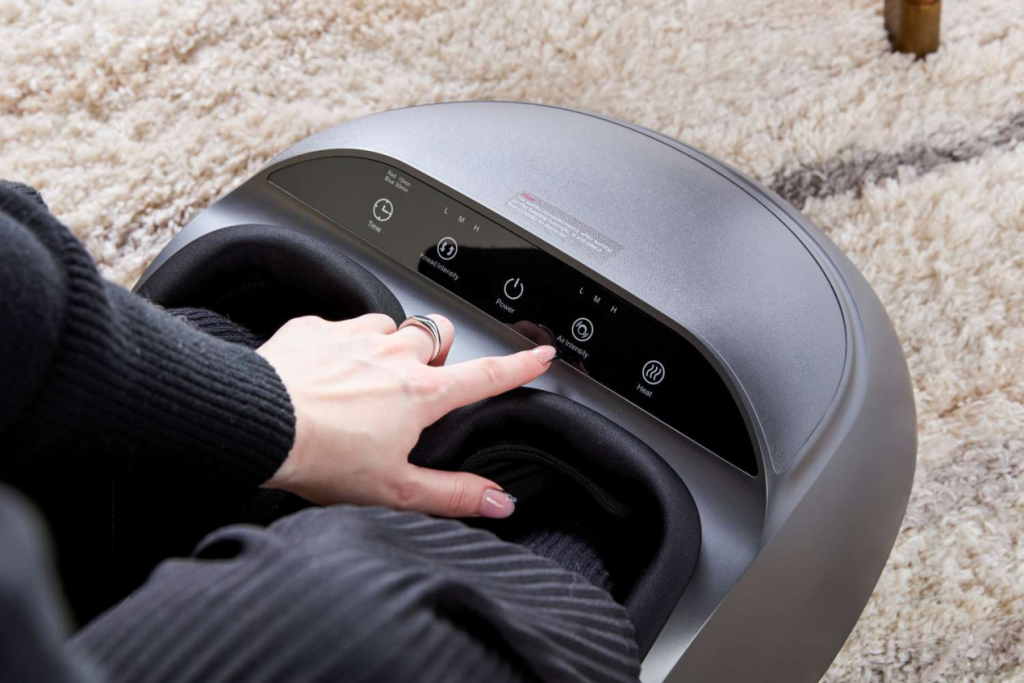
1. Adjustable intensity
People with flat feet should avoid excessive stimulation at once.
Choose equipment with low to medium intensity that can be gradually adjusted to avoid excessive pressure on any one area.
2. Roller or pneumatic type
- Roller: Fits the plantar fascia and promotes relaxation.
- Air pressure type: provides uniform stimulation and high comfort.
In contrast, vigorous kneading can concentrate force in a localized area, exacerbating fatigue.
3. Hot compress function
Applying heat can relieve fascia tension and promote blood circulation, making it especially suitable for use at night to help release fatigue from the day.
V. Scientific Methods of Using Foot Massager
Frequency of use and duration
- Once a day
- 15–25 minutes each time
- Avoid using for too long at a time
Recommended order of use
- Stretch your calves and ankles
- Simple exercises such as tiptoeing and plantar fascia stretching
- Use foot massager, starting with low-intensity massage
- Begin in comfort mode.
- Adjust gradually based on your feelings.
Rest after the event
- Avoid standing or walking for extended periods immediately.
- For best results, soak your feet in warm water.
Tip: For areas of your feet that are particularly sore, place a thin towel on the foot massager to reduce direct pressure.

VI. Common Misconceptions and Corrections
- Using excessive intensity, mistaking “pain” for effectiveness.
- Using for more than 30 minutes at a time
- Ignoring calf muscle tension
- Walking for a long time immediately after pressing.
The correct approach is to prioritize comfort and gradually relax. Remember, the value of a foot massager lies in its assistive function, not in “turning it on all at once.”
VII. Foot Massager + Comprehensive Management
The massager is only one part of the overall solution.
A complete flat feet management strategy includes:
- Suitable footwear support
- Daily stretching and small muscle group training
- Foot massager for relaxation
- Controlling standing and walking loads
Only by incorporating foot massagers into overall management can pressure distribution be improved and fatigue relieved.
VIII. Sharing of Real Cases
Tom, 28, suffered from flat feet due to prolonged sitting in the office, resulting in daily foot pain and leg pain after walking for extended periods.
He started using a massager for 20 minutes every night, combined with calf stretches and shoe insoles for support. After two weeks, the morning foot pain was significantly reduced, walking fatigue decreased, and knee pressure was much lighter.
This kind of case is very common among long-term users: consistency is more important than a one-time strong stimulus.
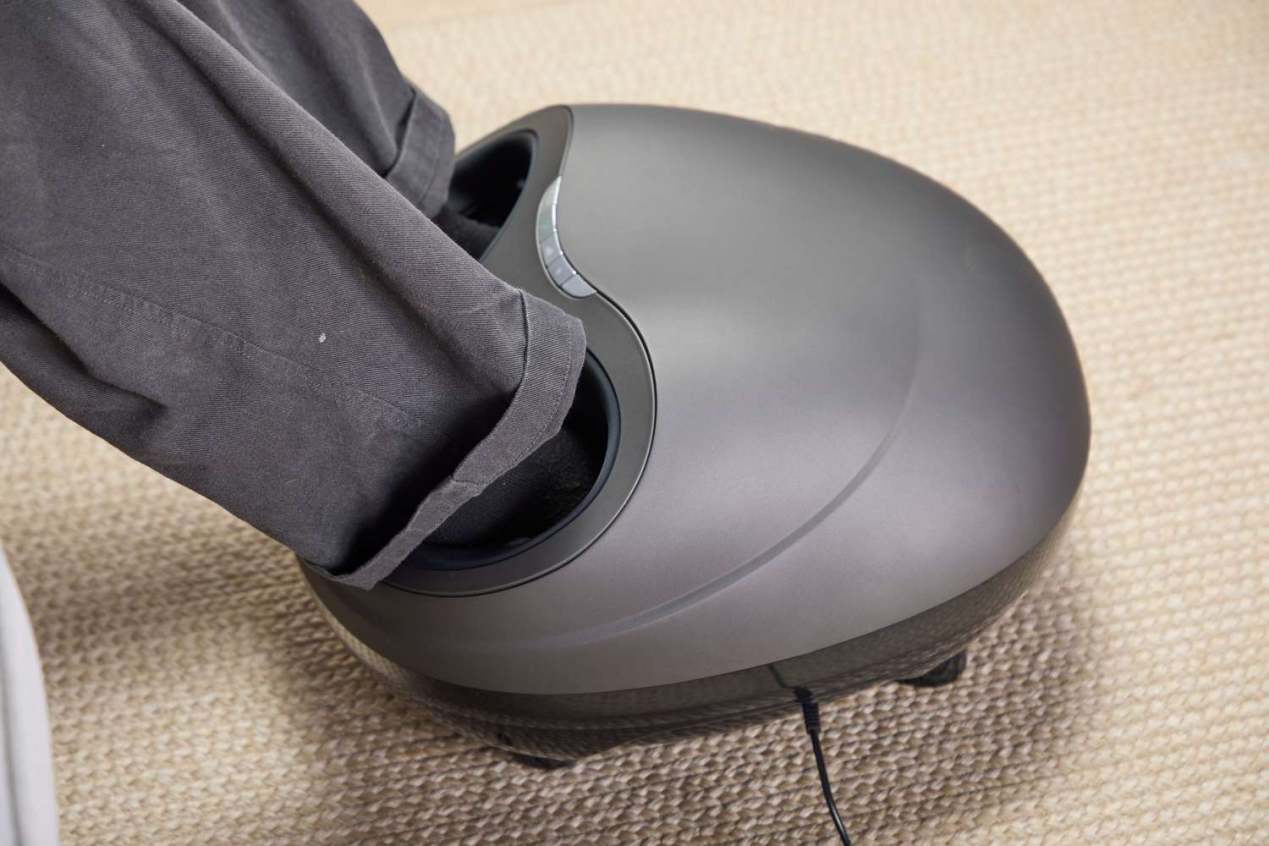
IX. FAQ: Flat feet and Foot Massager
- Q1: Can I use a massager every day? Yes, but the intensity should be moderate, 15–25 minutes each time.
- Q2: Can a foot massager correct flat feet? No, it can only improve the pressure distribution and comfort of the soles of the feet.
- Q3: When is the best time to use it? It is recommended to use it at night or after exercise, as it makes it easier for the soles of the feet to relax.
- Q4: What if my feet still feel sore after using it? This may be due to using too much intensity or excessive foot fatigue. We recommend reducing the intensity or using it in segments.
- Q5: Can I use it with essential oils or a hot compress? Yes, but do not apply essential oils directly to the machine. A hot compress can be combined with massage to enhance the relaxation effect.
X. Summary
Flat feet are not a disease, but uneven pressure on the soles of the feet can keep them in a state of tension for a long time.
The core value of a foot massager lies in assisting management:
- Relieve local tension
- Improve blood circulation
- Improve the feasibility of daily self-management
The key points are:
- Choose the right equipment
- Control intensity and usage time
- Combined with stretching and footwear support
- Long-term persistence
When used correctly, a foot massager can make walking easier and more comfortable for your feet every day. This is the most direct and practical benefit for people with flat feet.